 SEO Shivah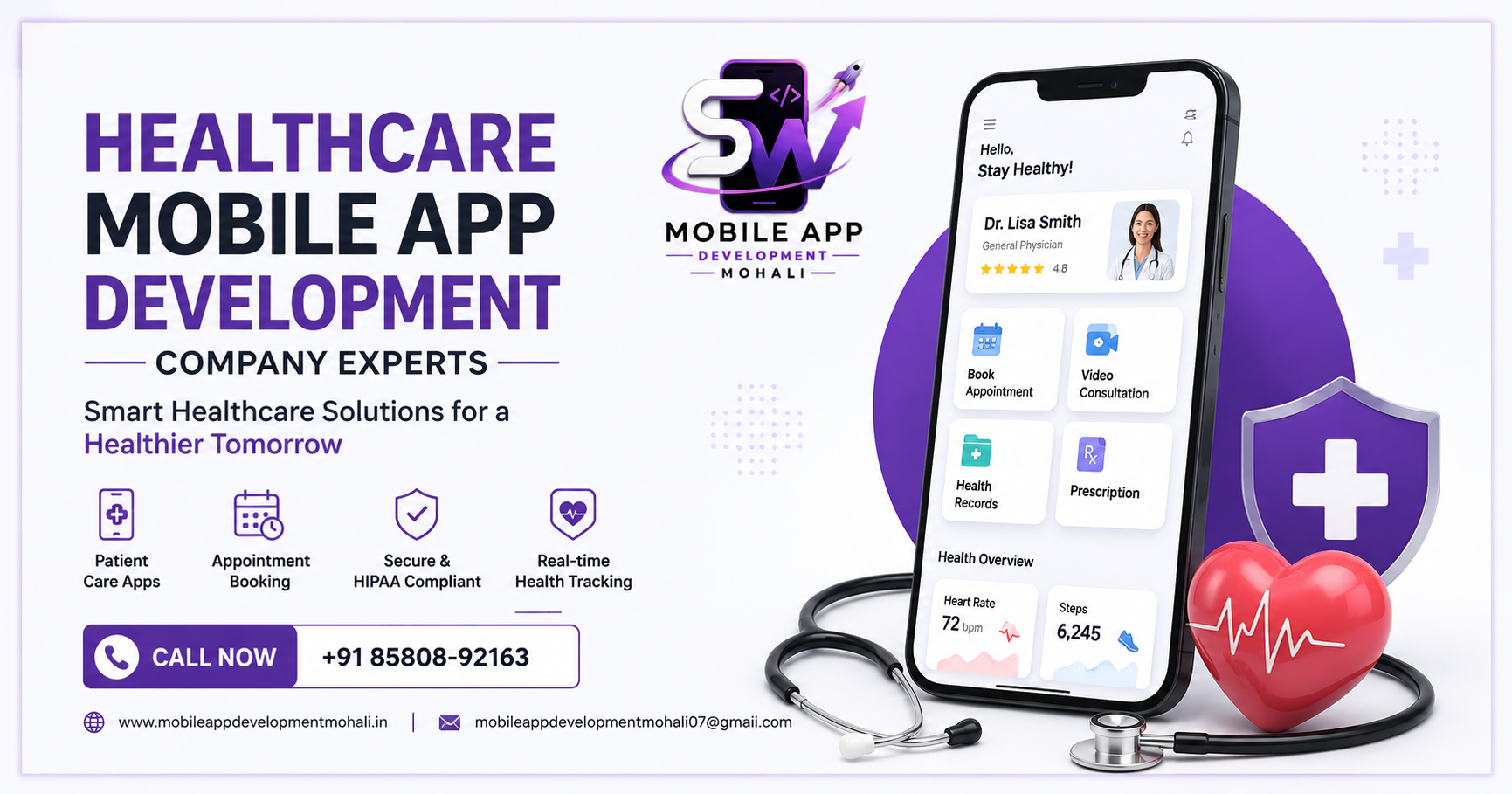
Partnering with the Right Healthcare Mobile App Development Company for Digital Transformation
Discover how specialized healthcare software development enhances patient outcomes, optimizes operational workflows, and ensures strict regulatory compliance.
Introduction: The Shift Toward Digital Healthcare
The global healthcare industry is undergoing a massive digital revolution. Modern patients no longer want to wait in long queues just to consult a physician or retrieve lab results. Instead, they demand immediate, secure, and convenient access to medical services directly from their smartphones. Consequently, partnering with an experienced healthcare mobile app development company has become a strategic priority for hospitals, clinics, and health-tech startups alike.
Digital health tools are radically reshaping patient management, diagnostics, and daily clinical care. Furthermore, by adopting robust healthcare mobile app solutions, medical organizations can easily bridge the gap between patients and providers. This shift not only elevates care quality but also significantly reduces administrative burden and operational overhead.
What is a Healthcare Mobile App Development Company?
A dedicated healthcare mobile app development company specializes in designing, building, testing, and maintaining digital health applications. Unlike standard software agencies, these specialized firms possess deep domain expertise in medical workflows, regulatory frameworks, and complex data architecture.
These experts engineer custom platforms ranging from simple wellness tracking tools to intricate enterprise systems such as Electronic Health Records (EHR) and hospital management networks. In addition, they ensure all digital solutions adhere strictly to regional data privacy laws like HIPAA and GDPR.
Why Healthcare Businesses Need Mobile Apps
In today’s competitive market, medical providers must adapt to evolving consumer expectations. Implementing tailored healthcare mobile application development services provides distinct competitive advantages for health systems:
- Enhanced Patient Engagement: Direct messaging and self-service tools empower patients to manage their health proactively.
- Optimized Workflow Efficiency: Automated booking and digital records eliminate repetitive manual paperwork for clinical staff.
- 24/7 Access to Medical Advice: Virtual consultations enable timely medical interventions regardless of geographical barriers.
- Data-Driven Clinical Decisions: Real-time health monitoring provides clinicians with vital metrics for precise diagnostic insights.
Key Business Advantage
Custom medical apps significantly reduce missed appointments, streamline billing cycles, and build long-term patient loyalty by providing convenient digital touchpoints.
Key Types of Healthcare Mobile Applications
Healthcare applications cater to a wide range of end-users, including patients, physicians, pharmacists, and administrative teams. Here are the primary categories:
- Telemedicine Apps: Enable remote virtual consultations via high-definition video calls and secure chat channels.
- Doctor Appointment Apps: Allow patients to search for specialists, check real-time availability, and instantly book visits.
- Fitness & Wellness Apps: Track daily physical activities, calorie intake, exercise routines, and sleep patterns.
- Mental Health Apps: Offer mood tracking, guided meditation, virtual counseling, and crisis support platforms.
- Pharmacy Apps: Facilitate online prescription refills, order tracking, and doorstep medicine delivery.
- Hospital Management Apps: Help staff track inventory, manage bed availability, assign shifts, and handle internal operations.
- Patient Portal Apps: Provide safe access to lab reports, immunization records, and historical clinical notes.
- Remote Patient Monitoring (RPM) Apps: Collect vital signs continuously via connected medical wearables for chronic condition management.
Essential Features of Custom Medical Apps
To succeed in a highly competitive digital market, a modern medical application must integrate core functionality designed around convenience and security:
User Registration & Secure Login
Biometric login (FaceID/Fingerprint) combined with Multi-Factor Authentication.
Appointment Booking & Calendar
Automated scheduling with real-time doctor availability calendars.
Video Consultation & Chat
Encrypted audio/video streaming alongside instant messaging for diagnoses.
E-Prescriptions & Digital Records
Direct prescription generation linked to patient medical histories.
AI Chatbots & Push Notifications
Automated triage, medication reminders, and appointment alerts.
Wearable & GPS Integration
Syncing fitness tracking hardware and emergency location services.
Custom Healthcare Apps vs. Generic Healthcare Software
Selecting between a custom-built solution and off-the-shelf software is a crucial decision for medical institutions. The following comparison highlights key differences:
| Feature / Aspect | Custom Healthcare Apps | Generic Healthcare Software |
|---|---|---|
| Flexibility & Customization | Tailored 100% to your precise clinical workflow. | Rigid structures; limited workflow modifications. |
| Scalability | Highly scalable to handle business growth. | Restricted by vendor tier plans and platform limits. |
| EHR/EMR Integration | Seamless integration with existing systems via APIs. | Often requires complex workarounds or extra plugins. |
| Long-term Cost Efficiency | Higher upfront cost, but zero recurring license fees per seat. | Lower initial cost, but expensive monthly subscriptions. |
The Step-by-Step Healthcare App Development Process
Building secure medical platforms requires a disciplined approach. A leading medical app development company follows a structured lifecycle:
- Requirement Analysis: Identify stakeholder needs, outline target audience profiles, and define strict regulatory expectations.
- UI/UX Design: Create intuitive, accessible user interfaces compliant with medical accessibility standards.
- Frontend & Backend Development: Write clean code and build server architecture tailored for heavy data loads.
- API Integration: Connect third-party medical engines, payment portals, and core EHR systems securely.
- Comprehensive Testing: Perform thorough functional, usability, performance, and security testing cycles.
- Deployment: Launch the digital platform securely onto the iOS App Store and Google Play Store.
- Maintenance & Updates: Provide ongoing security patches, performance tuning, and feature upgrades.
Modern Technologies Powering Healthcare Mobile Apps
Choosing the right technology stack ensures high performance, scalable growth, and long-term viability. Top development teams utilize modern frameworks and cloud platforms:
- Cross-Platform Development: Flutter, React Native for cost-effective deployment on iOS and Android.
- Native Mobile Development: Swift (iOS) and Kotlin (Android) for maximum performance needs.
- Backend Architectures: Node.js, Laravel, Python, and Java for building robust application backends.
- Cloud & Database Solutions: AWS, Google Cloud, Firebase, and PostgreSQL for dynamic scaling.
- Emerging Technologies: Artificial Intelligence, Machine Learning algorithms, and Internet of Medical Things (IoMT).
Importance of Security & Regulatory Compliance
Patient data protection is non-negotiable in digital healthcare engineering. Failing to comply with legal protocols can result in heavy financial penalties and reputational damage.
Critical Security Protocols
Always enforce end-to-end data encryption (AES-256 for data at rest, TLS 1.3 for data in transit), Multi-Factor Authentication (MFA), secure API gateways, and strict adherence to HIPAA and GDPR mandates.
Why Choose Mobile App Development Mohali?
When looking to transform your medical business idea into a market-ready platform, Mobile App Development Mohali stands out as an ideal technology partner. Delivering end-to-end digital engineering services tailored for healthcare operators globally, our team combines technical skill with deep regulatory knowledge.
- Experienced Healthcare App Developers: Seasoned software engineers familiar with complex healthcare systems.
- Comprehensive Native & Cross-Platform Expertise: Mastery over Swift, Kotlin, Flutter, and React Native.
- Robust Security First Approach: Building fully HIPAA compliant app development projects safely.
- Transparent Communication & Pricing: Agile processes with clear milestones and affordable pricing.
- Dedicated Post-Launch Support: Long-term maintenance, security updates, and performance optimizations.
Future Trends in Healthcare Mobile App Development
The healthcare technology landscape is evolving rapidly. Future-ready mobile solutions will leverage cutting-edge innovations to improve diagnostic precision and operational throughput:
- AI in Healthcare Apps: Predictive diagnostics, personalized treatment suggestions, and automated triage.
- IoT and Wearable Devices: Real-time remote health parameters streaming directly into provider dashboards.
- Blockchain Solutions: Tamper-proof handling of patient medical data across clinical facilities.
- AR/VR Integration: Interactive medical training models and enhanced physical therapy tools.
Frequently Asked Questions (FAQ)
1. How long does it take to develop a healthcare mobile app?
A basic mobile healthcare app typically takes 3 to 4 months, whereas complex systems with custom EHR integration and AI features can take 6 to 9 months.
2. How much does healthcare mobile app development cost?
Development costs depend entirely on features, backend complexity, and platform choice. Contact us for a tailored development quote based on your requirements.
3. What is HIPAA compliance and why is it essential?
HIPAA mandates strict protection and privacy for patient health information in the United States. Non-compliance can lead to massive legal fines.
4. Can my healthcare app integrate with existing hospital EHR systems?
Yes, experienced developers build custom API integrations to ensure seamless, bi-directional data flow with existing EMR/EHR software.
5. Is cross-platform development recommended for healthcare apps?
Frameworks like Flutter and React Native offer native-like performance, high security, and lower development costs by utilizing a shared codebase.
6. Who owns the source code after app completion?
You retain complete ownership of the source code, Intellectual Property (IP) rights, and assets upon project completion.
Conclusion
Investing in a custom application is no longer optional for forward-thinking healthcare providers. By leveraging modern mobile tools, medical organizations can significantly improve patient engagement, automate daily operations, and deliver superior medical services everywhere.
To succeed, choose a reliable technical partner capable of engineering secure, compliant, and intuitive digital health platforms.
Ready to Build Next-Gen Digital Healthcare Apps?
Partner with Mobile App Development Mohali to convert your innovative health technology ideas into secure, scalable, and user-friendly mobile solutions.